
Before our pumpkins can be replaced with a tree, the Black Friday and Christmas ads appear on TV, Instagram, and TikTok while department stores fully convert to selling Christmas-themed products. The speed and intensity of this conversion is no accident. Corporate America is precise, and big companies have the data to understand the emotions and habits that make American consumers susceptible to overspending during the Holidays.
Companies spend enormous amounts of money on marketing and strategy with the hope and objective of driving traffic and, ultimately, purchases. This year alone, from Thanksgiving through Cyber Monday, roughly 202.9 million shoppers tapped their credit cards and clicked the delivery buttons according to the National Retail Federation. Unsurprisingly, the ease and speed of online shopping trumped in-person shopping. Holiday spending is expected to surpass $1 trillion this year, and while this increase has the potential to drive the economy, increasing credit card debt could put financial strain on many shoppers.
A major reason holiday marketing works so well is the psychological aspects that include manufactured urgency and scarcity, which makes the consumer buy the product out of fear it will go out of stock or off sale. On a website you might see “limited time only” or a countdown clock. In addition, the color red is used to indicate markedown prices and research shows the color red demands attention from the viewer, adding to the pressure of buying. Nostalgia is also a mechanism that lures customers in, with products that add to a comforting aesthetic, often reminding people of their childhood or good times with family and friends. By branding products around emotions, it adds a level of desire to merchandise that would otherwise be overlooked. Marketing taglines have turned into a cultural phenomenon where consumers are encouraged to “splurge” and “treat yourself”. Constantly being swarmed with products makes one feel like they are expected to buy something for the sake of it being the holidays. In addition, there is a social pressure and expectation to exchange gifts, even with people who you might not be close with.
The effectiveness of influencer and commercial culture is represented by the theory of mimetic desire, which supposes that human desires are shaped by the desires of others around them. An influencer’s job is to create inspiration so people will buy the product and by constantly promoting, recommending products and posting content, they accomplish the job. Followers, believing they desire an item because of who exposed them to it, will make an often impulsive purchase. This marketing technique is possibly the most effective way to market a good, especially with the increasing audience on social media. In fact, 10-15% of luxury brand marketing budget goes to Influencer Relations. The problem is that influencers are often sponsored and continuously receive free goods to post content. Followers, most of which cannot afford to mimic this kind of consumption, end up in unhealthy cycles of comparison which leads to unwise spending habits.
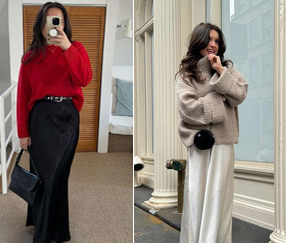
Trends encourage spending more, so clothing for the new year and holiday decorations will be in vogue. For example, the Ralph Lauren Christmas aesthetic has become increasingly popular across social media this year. Just as major fashion brands introduced plaid into many runway designs, the trend carried over to the home decor market. With new major aspirational aesthetics occurring about every five years, consumers are faced with the choice to update decor and fit the trends of the year.
The Buy Now, Pay Later structure complicates financial issues further. The system encourages shoppers to spend beyond what they are comfortable to do at the moment. While it does break down the payments to be more manageable over the course of several months, the possibility of multiple installment plans at once and interest can lead to accumulated debt.
Being aware of your shopping habits can help to separate your needs from momentary wishes. Planning ahead and keeping a list of things that you either need or wish for, helps tremendously to distinguish if the money spent is worth it. For more expensive purchases, a helpful guideline to go by is that if you’ve wanted something for over five months, it’s likely you’ve had time to realize if the product would be useful and would make a thoughtful investment. This is why Black Friday Sales, in fact, cannot be all bad. If you were eyeing something for a while and it finally goes on sale then it’s a great time to spend the money; but if you buy something because of its low price and could potentially be used, then it’s probably not worth it. In addition, shopping secondhand is not only as a way to conserve money, but there are better chances of finding more unique items without the price markups of a store. Websites like Poshmark, Depop and the RealReal continue to become more mainstream and provide a platform for customers to find niche and better priced options.
It’s easy to lose sight of the real meaning of Christmas and the peace it’s supposed to bring in such a commercialized society. By focusing on only buying the necessities and being cautious about overspending, we can have more time to focus on what’s important during this wonderful time of year.
By Seren Hughes ‘28, Fashion Editor
28shughes@montroseshool.org