Once you get into the “big leagues” of school, it’s not as easy to get through classes by memorization and night before studying. Classes become harder, exams have more weight, and the importance of good study habits are ever more important. It’s hard to learn how to effectively study and learn well in class but it’s not impossible to learn. Here’s a guide to help you improve with studying and exams at Montrose.
First, before you learn what study habits are best for you, it’s important to understand what things you may commonly do that don’t work. The most common mistakes made by students while trying to study are as follows:
- Just read your textbook or schoolbook; not actually annotating or doing work from your book will make it harder for you to memorize or for your brain to process information.
- Not asking for help when you need it!!! If you don’t understand something or you are having trouble, it is SO important to let a teacher know. This way, you can find a way to understand.
Teacher Feedback:
- “Waiting until the night before” – Mrs. Baker. Many students wait until the last minute to prepare for an assignment or exam and, while a last minute study cram may help, it’s not going to be very effective in full memorization or understanding of the material.
One of the most important things to do well is studying for exams and quizzes. Depending on the school subject and the material of the test, there are different ways to best study for tests:
- Study the biggest ideas/main ideas the most; if there are main ideas and concepts that you really need to understand, then focus on those the most. If you don’t have an understanding of the main ideas and topics, then you are much less likely to do well on the exam.
- If you had previous quizzes on the topic, write down important questions or points from the quiz as they may be restated on your test
- Use practice questions from a textbook or create flashcards or a study guide; instead of just knowing basic facts, if you study with practice questions, it’ll make it easier for you to be prepared to answer the questions on the test.
- If the teacher provides a study guide – USE IT (if they made it, they aren’t going to purposefully leave anything out; it’s going to have the important things on there)
- If you’re making a study guide or Quizlet – copy and paste textbook definitions and information from the worksheets
Teacher Feedback:
- “Making mind maps to show concepts. Examples can [also] help” – Mrs. Whitlock (specifically for English and history)
- “All learner types must utilize ACTIVE study habits” – Mrs. Coyle; this point is one of the most repeated by teachers and one the most important, you need to have some way of studying that is allowing you to really engage with the material!!
While studying is incredibly important for academic success, it’s incredibly hard to get good grades and good test scores if you don’t take effective notes in class. As a student joining Montrose this year, I really had to learn how to take good and organized notes in order to feel prepared for class work and discussions. There are several different ways to organize your notes that can help you to take better notes.
Things to consider:
- Notebook Format: Choose a notebook that is organized in a way that will allow you to take your best notes. (ex: some notebooks are sectioned, or use lined or graph paper)
- Notebook Design and Color: Choose cute notebooks or decorate them (this is optional but it does boost your mood and make studying a bit more enjoyable)
- Materials: Pens, highlighters (these make it way easier to underline and highlight important topics)
Teacher Feedback:
- “Consider the Cornell Note taking system” – Mrs. Coyle
As you get older and begin to learn more effective habits (not just for school but life in general) you will learn the importance of scheduling your time effectively. Especially while studying, you need to plan when to study for certain things and how much time you estimate you will spend on each assignment.
How to Schedule:
- Follow a plan, don’t wait till the last minute (it is much easier to get things done if you follow a plan).
- Spend most time on assignments worth the most and that need more detail (It doesn’t make sense to spend the same amount of time studying for a quiz worth 5 points and a test worth a quarter of your grade)
- If you’re always out of time – track it (see how much time you’re spending not being effective or wasting hours and not even realizing it)
- Use your time in school wisely – if you have a study period, use it and don’t just do the assignment for the next day – plan ahead
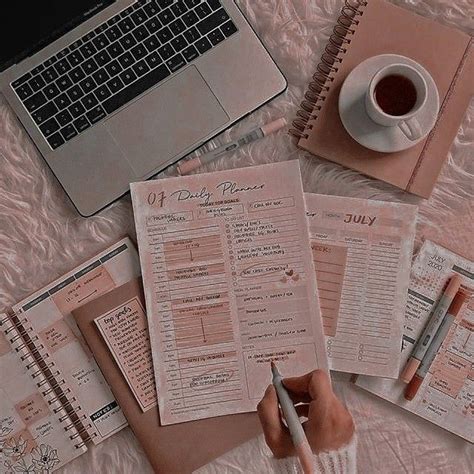
- USE A PLANNER
Teacher Feedback:
- “Make a plan based on your weekly schedule and plan on 30 min for regular classes and 45 minutes for AP classes” – Mrs. Whitlock
- “Use a planner: Keep track of deadlines, exams, assignments, and personal commitments” – Mrs. Coyle
- “Prioritize Tasks with the Eisenhower Matrix ~Urgent & Important: Do these tasks immediately (e.g., exams, deadlines). ~Important but Not Urgent: Schedule time for these (e.g., studying, projects). ~Urgent but Not Important: Delegate or do quickly (e.g., emails, chores). ~Neither Urgent nor Important: Limit or eliminate (e.g., excessive social media).” – Mrs. Coyle
If you are interested in using specific studying methods, there are many to check out that may help you! It’s important to remember that everyone learns and processes differently – by checking out these methods, you can find something that works for you and will help you learn best.
Specific Methods:
- Teaching method (teach aloud to yourself or someone else)
- Study Cycle by Frank Christ
- Notecards are a great method for active studying (color coding and writing and reusing note cards)
- SQ3R Method
- The Feynman technique
- Spaced Repetition
- Active Recall
By Emma Botelho ‘28, News Editor
28ebotelho@montroseschool.org