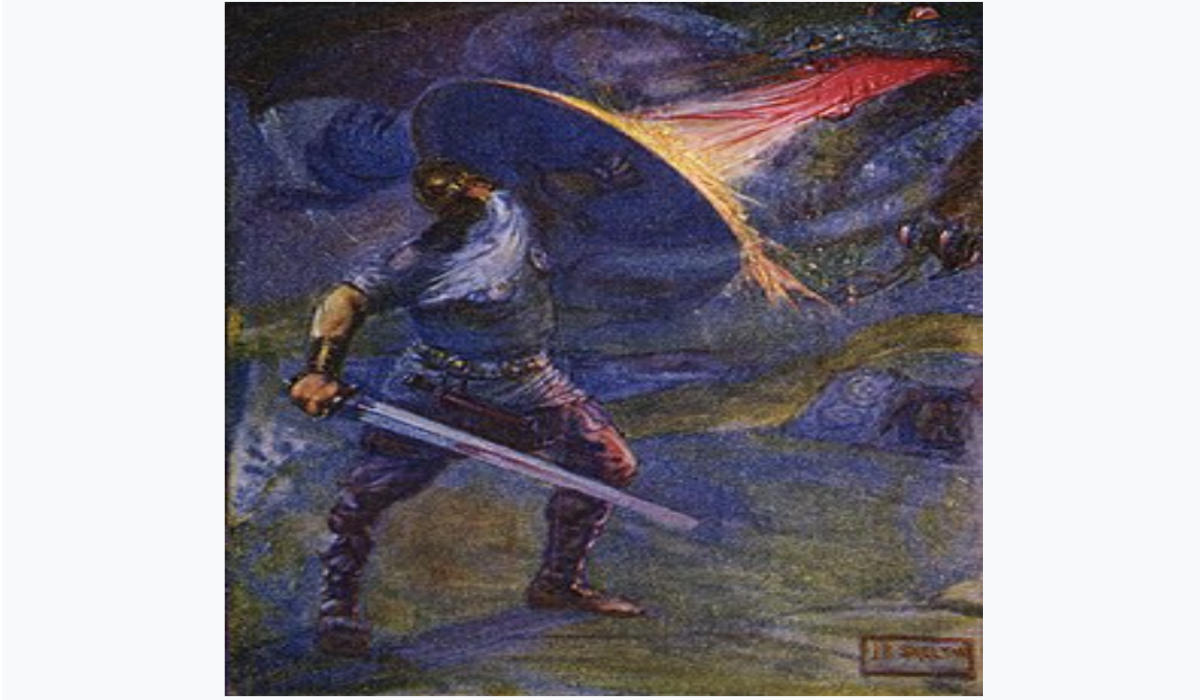
In sophomore year, students will read Beowulf, a tale about an old Scandinavian warrior who faces many mythological creatures, such as demons and dragons. It was originally an oral story, passed down through generations of Anglo-Saxons for centuries, until the Englishmen were able to write the full story down in 12th-century English.
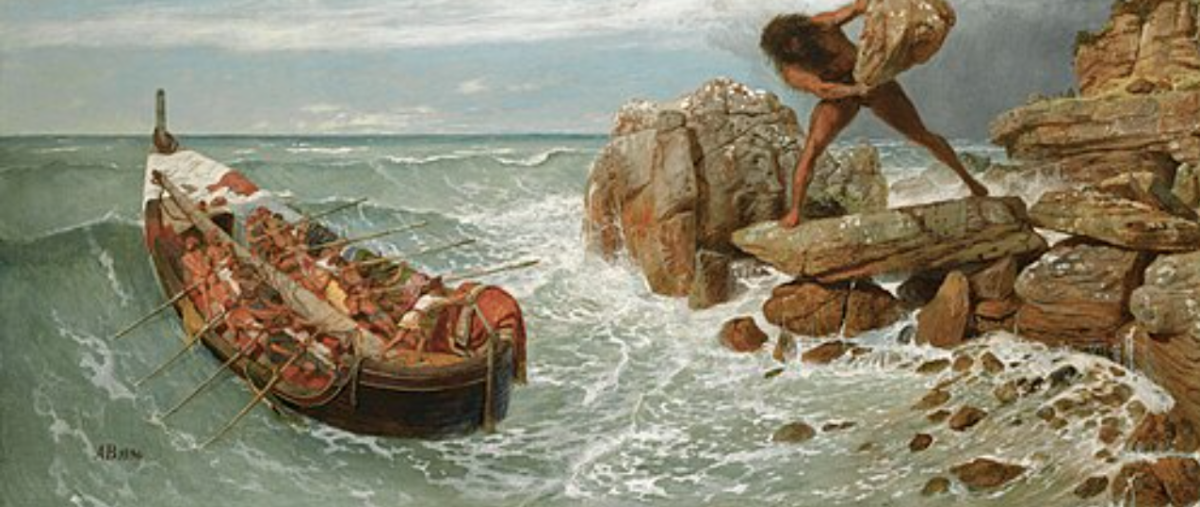
Since the Anglo-Saxons were Christian, a lot of the religious explanations that are mentioned are told in a Christian way. However, the Scandinavian tribes were polytheistic, meaning that they believed in multiple gods, such as the Ӕsir and Vanir (the two tribes of gods in norse mythology). So, one can see that there are differences in the text of Beowulf and the mythology behind it. For example, when “They [Beowulf and his crew] thanked God/ for that easy crossing on a calm sea” from Geatland to Shieldings, they were really be thanking Njord, the Norse god of the sea, who controls the tides, currents, and how fast a ship can travel to its destination (Beowulf, 17). The Anglo-Saxons most likely renamed this deity after the Christan God so that they would not be seen as blasphemists to the future generations who read this text. Additionally, when Beowulf, the warrior protagonist of the tale, mentions fate, he says to his distant cousin and friend, Wiglaf: “You are the last of us, the only one left of the Wægmundings. Fate has swept us away, sent my whole brave high-born clan to their final doom” (Beowulf, 189). Fate, or otherwise known in Christianity as “God’s plan,” is a shared concept in many, many religions, modern and ancient, which explains why there were no alterations in the scripture of this oral story.
Funeral rites and beliefs on the afterlife were changed significantly between the times of the Scandinavians and the Anglo-Saxons because of the religions they were part of. In Shieldings, the tribe of the Danes, when King Shield of the Danes died, his warriors “shouldered him out to the sea’s flood, […] in his boat […]. Far-fetched treasures were piled upon him, and precious gear. […] it would travel far/ on out into the ocean’s sway. […] And they […] let him drift to wind and tide, bewailing him and mourning their loss” (Beowulf, 5). Warriors’ bodies were placed in a boat with treasures to sail to Valhalla, the land of men who died a glorious death. Or, like for Beowulf’s funeral they burned his body, essentially cremating him in a funeral pyre: “to fetch wood far and wide for the good man’s pyre. ‘Now shall flame consume our leader in battle’” (Beowulf, 209). In Christianity, all souls, no matter if they lived lives full of glory, are valued equally, which changed the funeral standard to a burial, like the traditional barrow burial, instead of the warrior’s burial traditions.
Though Christians value many different kinds of lives in a community, such as clergy, merchants, and warriors, the glory from their feats was an incredibly important virtue for Scandinavian tribes because it was the basis of their survival. Through war, tribes could earn treasures from who they defeat and from alliances formed in the struggle of battle. A primary example of this shown in Beowulf is the alliance between the Geats and the Danes after the defeat of Grendel, a demonic humanoid creature that had been torturing the Danes tribe for over a decade. When Beowulf promises himself to King Hrothgar of the Danes, Beowulf boasts: “he [Grendel] will find me different. I will show him how Geats shape to kill in the heat of battle.” Hrothgar, “the prince of his Bright-Danes and keeper of his people counted on Beowulf, on the warrior’s steadfast and his word” (Beowulf, 41). Beowulf, fulfilling his promise, does eventually kill Gredel, and, in thanks, Hrothgar holds a feast. “The due time arrived for Halfdane’s son (Hrothgar) to proceed to the hall. […] Inside Heorot [the hall] there was nothing but friendship. […] Then Halfdane’s son presented Beowulf/ with a gold standard as a victory gift” (Beowulf, 67-69). With these found treasures and friends, tribes would be able to survive a crisis like a war or a famine more easily through their connections, using treasure and debts for the help they need.